How the contract works
Probability
How the price has moved
Analysis
Context
What moves the probability
Overlapping presence in Syria
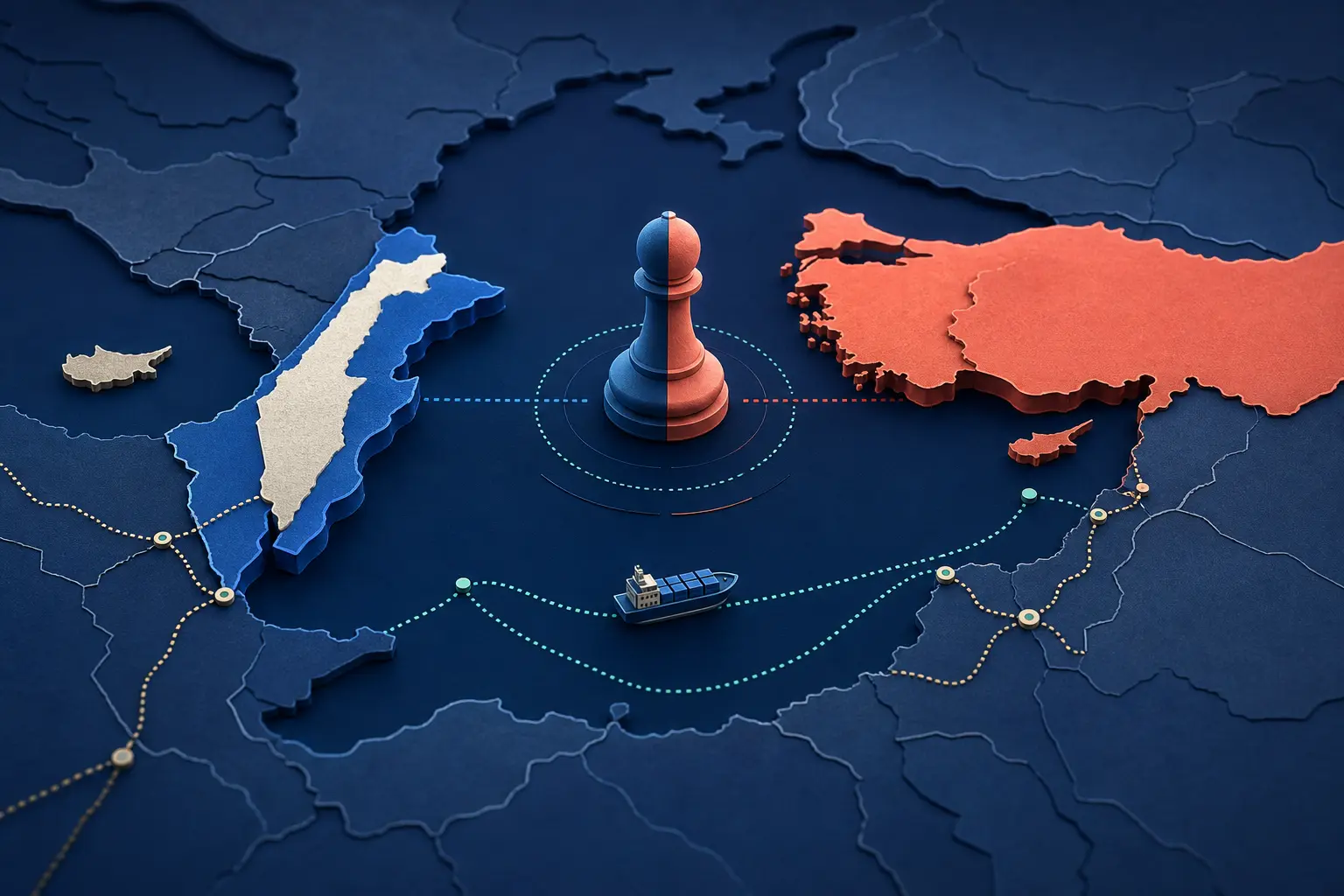
Turkish-backed forces and Israeli air operations both now operate inside post-Assad Syria, raising the chance of an accidental encounter. This is the single largest upward pressure on the probability, though it has not yet produced a direct incident.
Deconfliction diplomacy
Reported 2025 talks, said to involve Azerbaijan as an intermediary, aimed to keep Turkish and Israeli forces from colliding over Syrian airspace. Active deconfliction machinery is a meaningful downward pressure on the odds of an accidental clash escalating.
Erdogan's rhetoric versus restraint
Turkey suspended trade with Israel in 2024 and Erdogan has used harsh language over Gaza, but none of it has translated into military action against Israeli forces. Rhetoric without a shift in military posture keeps the price low.
Shared US alignment
Turkey is a NATO member hosting US forces at Incirlik, and Israel is a core US security partner; a direct clash between the two would force an unusually difficult choice on Washington. That shared dependency discourages either government from escalating to fire.
Narrow settlement bar
The contract excludes warning shots, strikes into empty areas, and minor ship damage, requiring a clear, significant, direct encounter. This raises the bar for a Yes considerably above what ordinary friction would produce.
The case for
- Israeli strikes on Syrian military sites would have to hit personnel or assets directly tied to Turkish forces or advisers operating in the same area.
- Deconfliction talks reported in 2025 would have to break down, removing the current channel used to avoid accidental air encounters over Syria.
- A Turkish naval vessel would have to be intercepted or fired on by Israeli forces near the Gaza blockade or in a disputed eastern Mediterranean zone, causing significant damage.
- Any of these would need to happen and be confirmed by credible reporting before 31 December 2026, 11:59 PM ET.
The case against
- Turkey and Israel have never exchanged direct fire despite decades of political rivalry, including the 2010 Mavi Marmara incident, which did not involve state armed forces firing on each other.
- Reported deconfliction talks in 2025 suggest both governments are actively managing the Syria overlap rather than allowing it to drift toward confrontation.
- Turkey's response to the Gaza war has been diplomatic and economic — suspending trade in 2024 — rather than military, indicating a preference for pressure short of force.
- The settlement criteria exclude warning shots, near-misses, and minor damage, so most plausible friction incidents would not even qualify as a Yes.
What to watch
Trade this contract
- gas covered
- no trading fee